Carbomax Carbon Masts
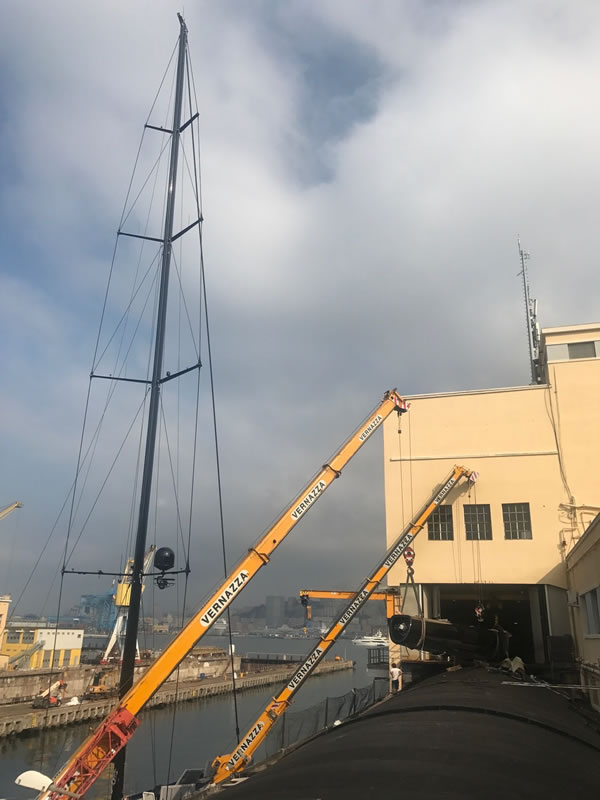
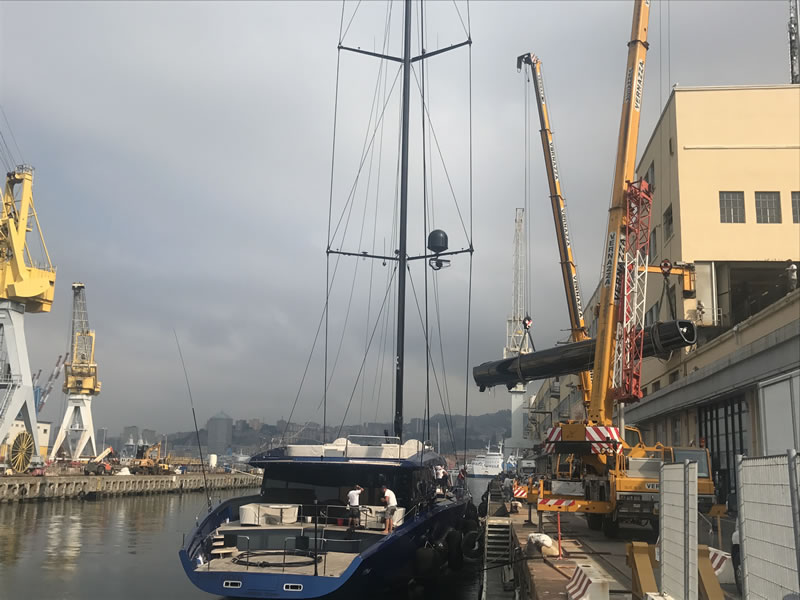
Carbon Masts for Yachts and Super Yachts
Lorem ipsum dolor sit amet, consectetuer adipiscing elit. Praesent ligula ligula, rutrum nec, molestie eget, varius sit amet, augue. Aliquam vitae tellus. Nunc velit massa, congue in, commodo id, sollicitudin scelerisque, risus. Fusce ligula. Sed tincidunt massa vitae lacus. Nam at pede. Pellentesque varius sapien at libero. Nunc fermentum aliquam turpis. Aenean lacinia lectus ac elit. Ut sit amet eros. Ut lobortis, enim eu volutpat volutpat, sapien tortor fringilla sapien, pellentesque tincidunt justo sem eget sem. Curabitur a velit. Vestibulum ante ipsum primis in faucibus orci luctus et ultrices posuere cubilia Curae; Nullam eu enim. Phasellus tincidunt, lacus at ultricies sollicitudin, magna sapien vulputate quam, sit amet volutpat diam libero sed turpis. Ut erat sapien, convallis eget, adipiscing in, molestie sit amet, lectus. Duis adipiscing dictum mi. Donec consequat iaculis velit. Morbi nec felis.
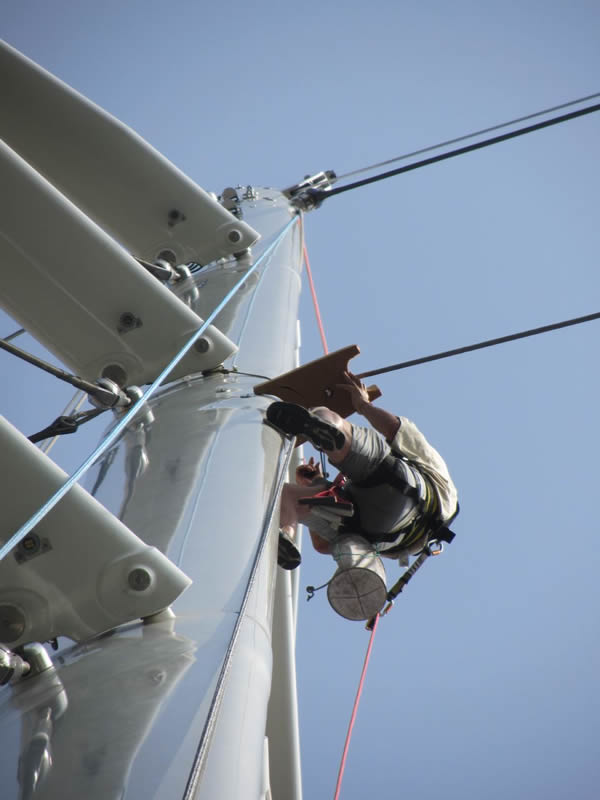
Carbon Masts Construction Process
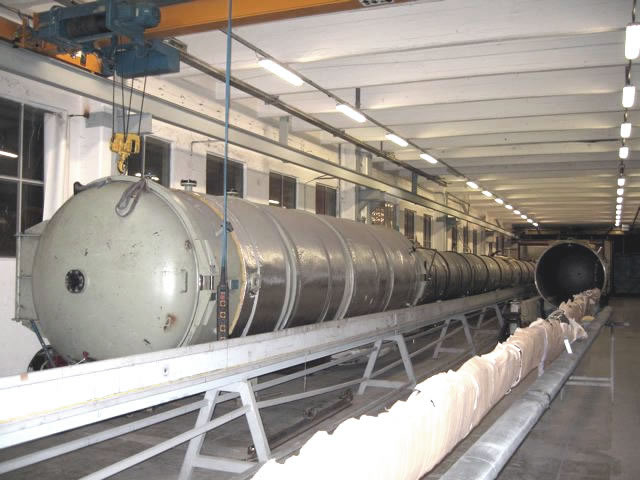
We have installed a new system for the construction of carbon masts. With the installation of a autoclave with an internal diameter of ø1300/2000 mm and a length of 48 metres with a maximum working pressure of 8 bar at a temperature of 150°C.
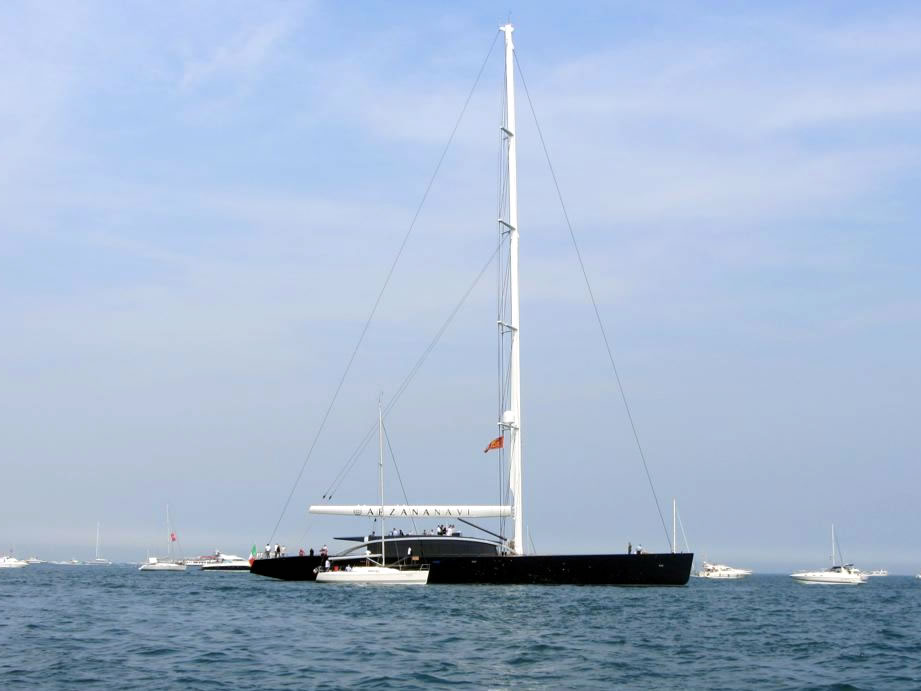
In 2008 we lengthened the autoclave to 65 metres for the construction of 2 one piece masts (both one piece in section and one piece length) for two 50 metre yachts.
We manufacture carbon masts using male forms and pre-impregnated carbon from SP System.
Manually wrapping carbon around the model to obtain a single-piece jointless handmade tapered mast with maximum compactness and cured at a constant and ideal heat and pressure.
Our product is laminated on a male mould , compacted and cured in a pressure chamber at 6 bar plus the depression of the vacuum bag.
This technology is derived from the aeronautical industry and guarantees a finished product of maximum lightness and elevated mechanical characteristics which exalt the properties of carbon.
Our technological challenge is to build single piece carbon masts even of large dimensions by manually wrapping the carbon around a male mould to obtain a hand-manufactured tapered monolith without joins with maximum compactness obtained from a piece worked in a heated autoclave.
The costruction of carbon objects in a autoclave is considered superior to other types of manufacture because the laminates remain more compact and the possibility of finding air bubbles in the laminate is greatly reduced.
Choice of materials can also greatly improve the finished product. We use pre-impregnated carbon from SP System, world leader in the production of epoxy resin laminates with versatile products and excellent quality.
Today we can safely say that the problem of extracting the alluminium mandrel from the carbon profile of large masts (sections over 150 and weight over 6000 Kg). We are able to produce masts in one picece with a section of 1200x600mm and length 65m.
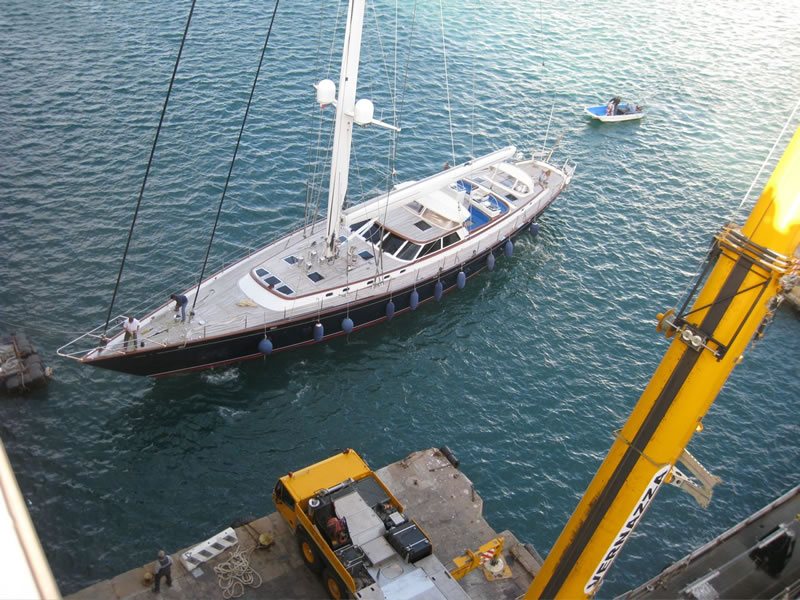
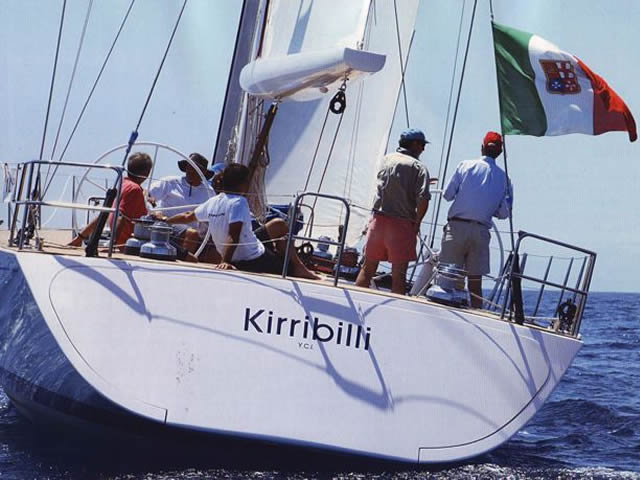
The fact of being able to obtain a mast without lateral joins guarantees longer duration because there is no chance of the delamination of joined parts under stress.
The unidirectional 0° joint is positioned on the mandrel for the whole length of the mast allowing the fibre to work homogeneously.
The flexing of the profile uses at most the disposition of the fibre along it's length obtaining uniform flexibility without interuptions or curve variations.
Aswell with this type of lamination we have continual control of the laminates, from the weight of the finished piece in every phase of lamination. This allows us to check that the theoretical calculation respects the actual project giving with precision the desired weight.
As general information there are different methods for constructing an item in carbon depending on the intended use of the finished item, on the type of material employed, and on the available technologies you can obtain apparently similar end products but in reality profoundly different in their technical characteristics, such as;
- elasticity of the carbon as declared by the manufacturer
- elasticity of the composite obtained from the process... laminate modulus
- percentage of air in the obtained composite
- interlaminate cohesione between layers
- tg value (glass transfer obtained during the curing cycle)
- profile dimension to be compared with the proposed tube
There are various methods of joining:
- lateral transversal joint, two halves joined together
- profile in two parts joined at a certain height with or without lamination at the joint
Each technological process has it's advantages and disadvantages but it is sure that the manufacture of carbon items using autoclave ovens is a first class technique difficult to surpass.
A product such as a sailing vessel's mast can be considered a tube under great strain and and the rigidity and weight of the tube are important factors.
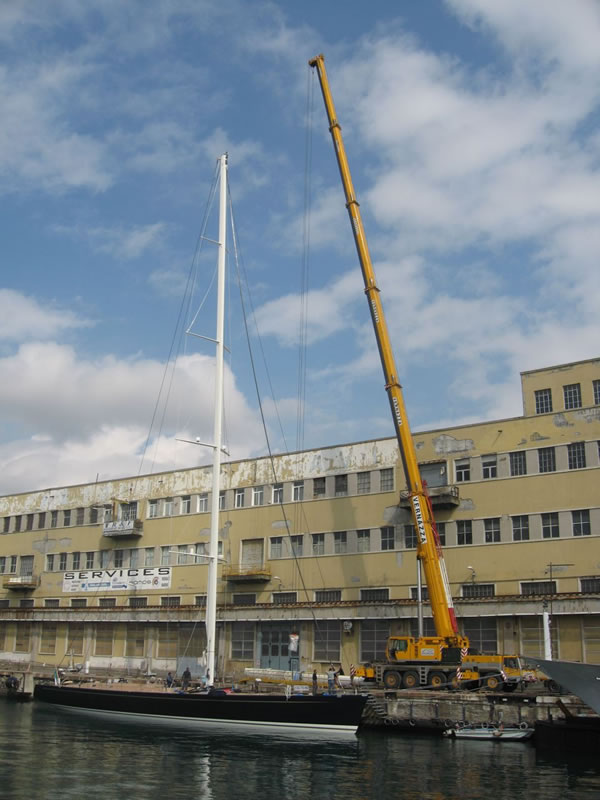
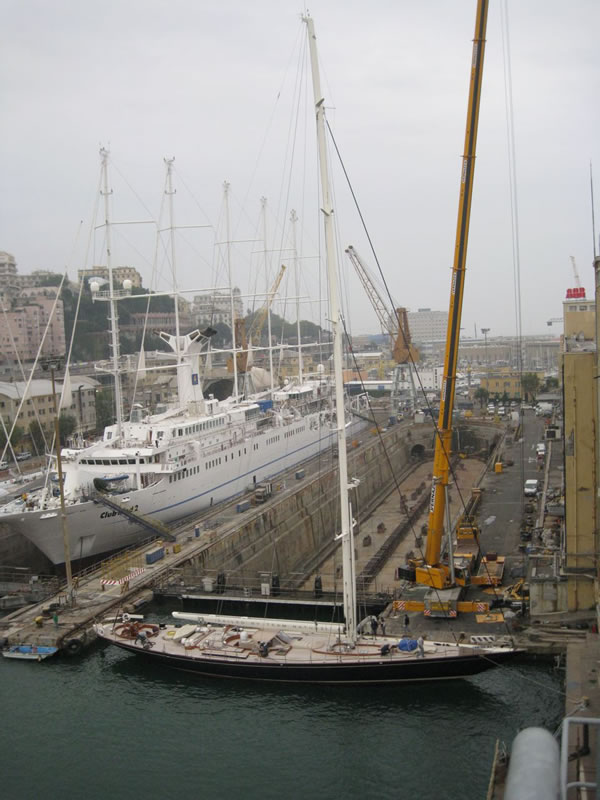
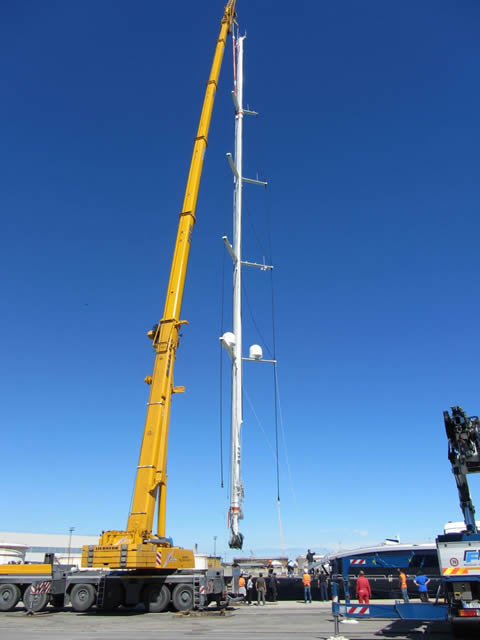
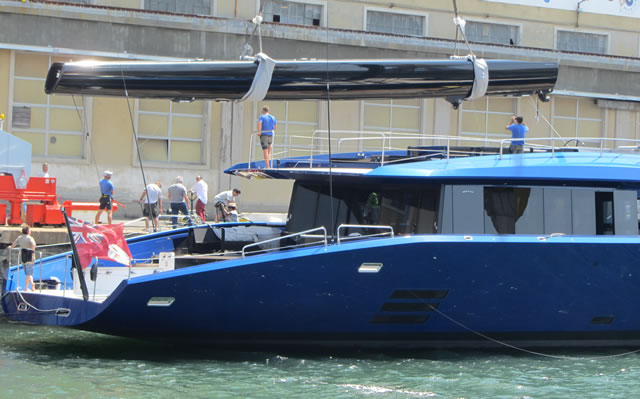
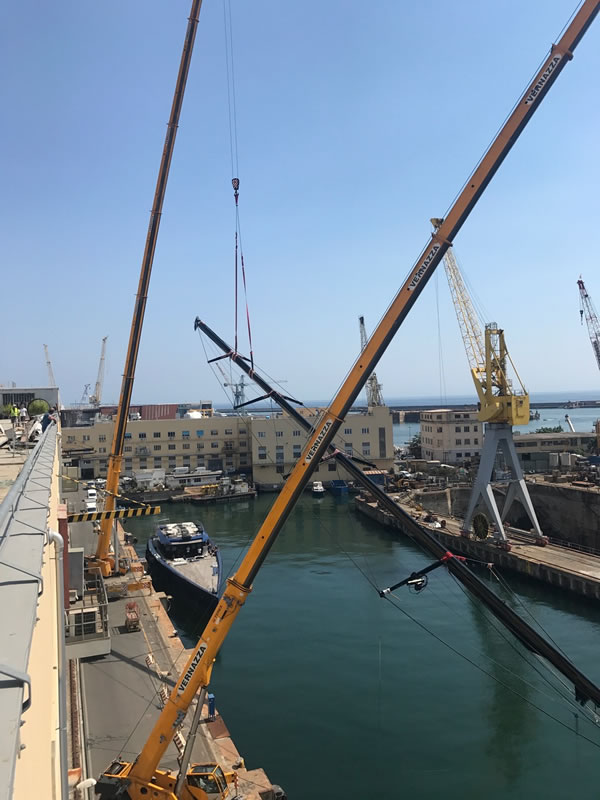
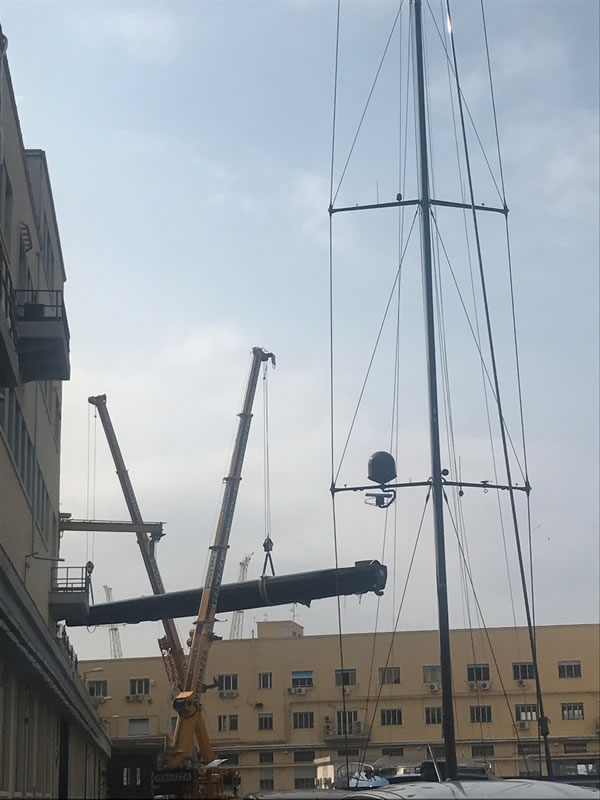
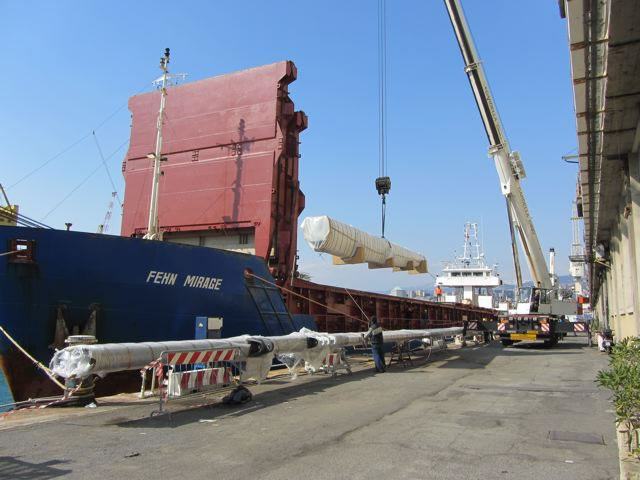
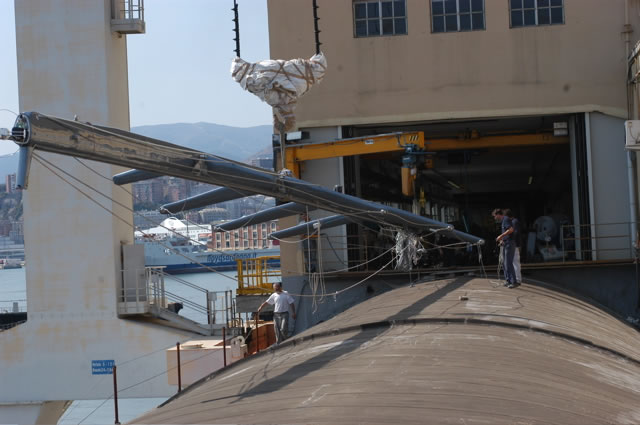
An observational but nonetheless effective test is to observe carbon masts made using the various techniques as they are lifted by a crane before being fitted. The rigidity of each type of mast can be seen with the clear advantages of masts using our system becoming obvious.
The most common methods of construction are:
- the use of a male mould with external lamination
- the use of an upper and lower female mould with joint for glueing and internal lamination
- system for filament winding un a male mould
- combined system with female mould and core with internal model
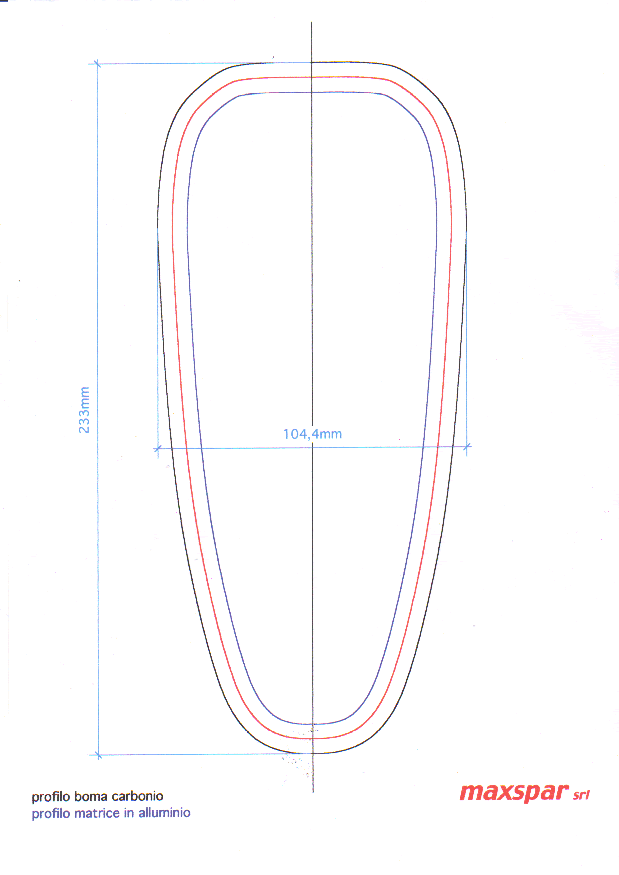
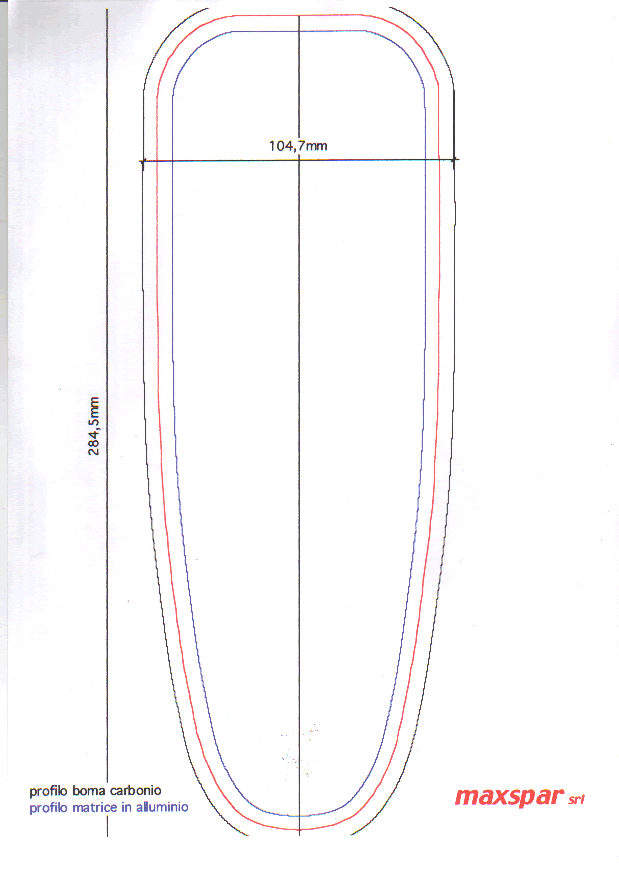
Mast Profiles
Mast
115x98mm
145x94mm
156x99mm
165x99mm
178x113mm
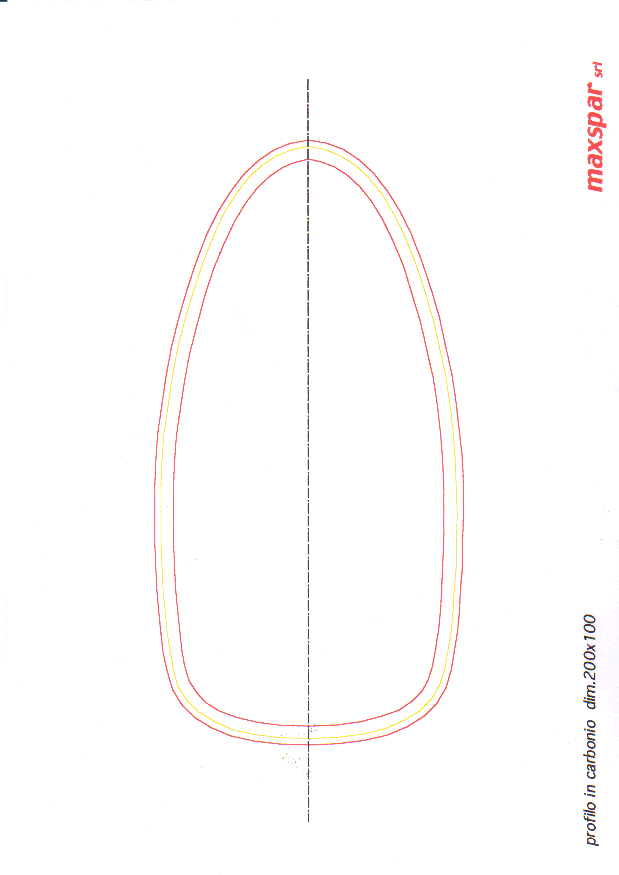
200x100mm
210x112mm
232x125mm
270x150mm
320x165mm
365x165mm
410x200mm
440x183mm
550x250mm
640x335mm
775x375mm
Wing Mast
140x80 mm
210x105 mm
310x140 mm
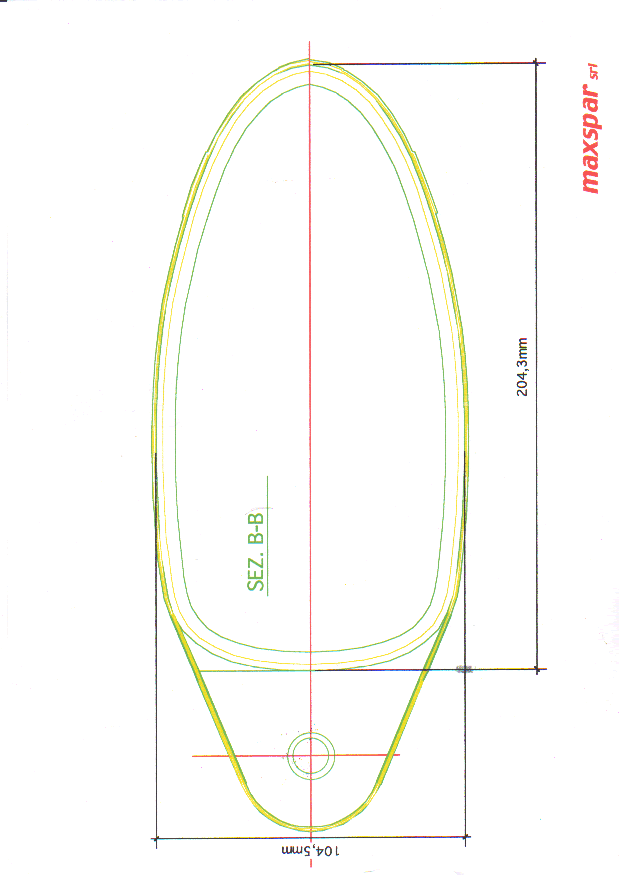
410x206 mm
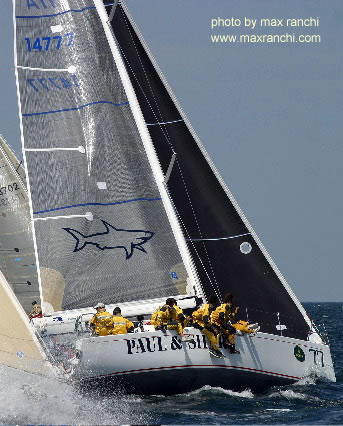
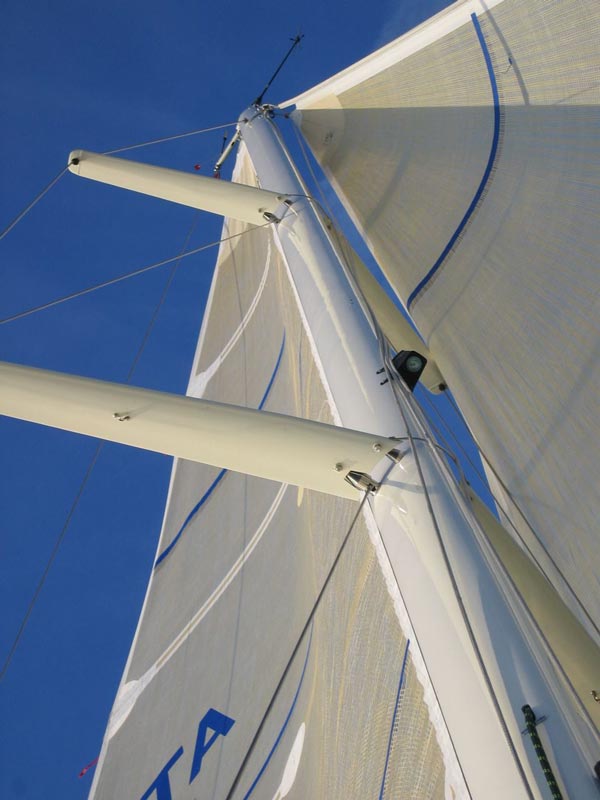
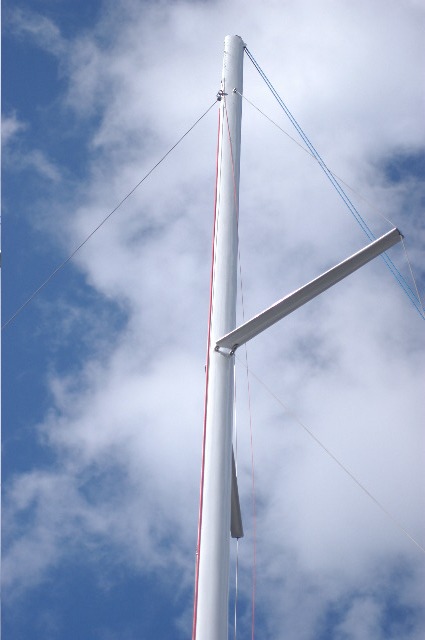
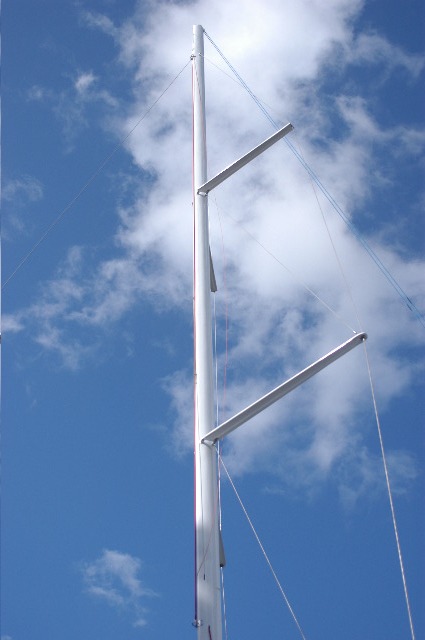
Carbon Mast Photo Gallery
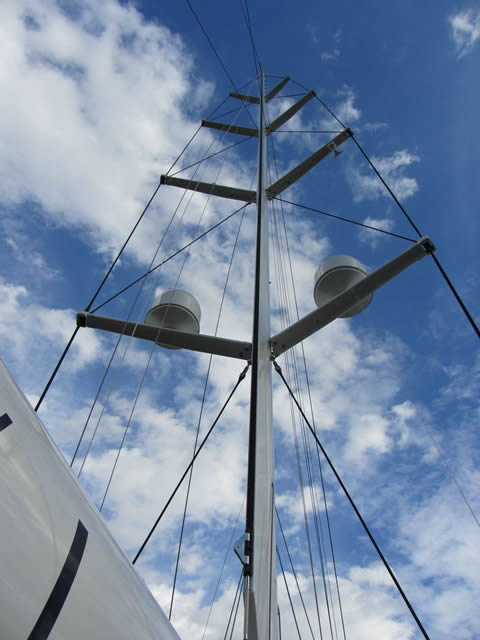
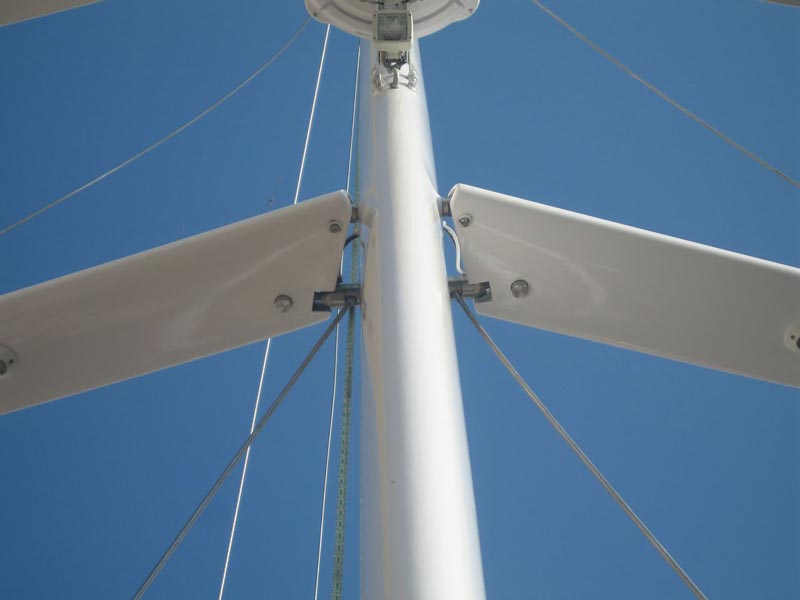
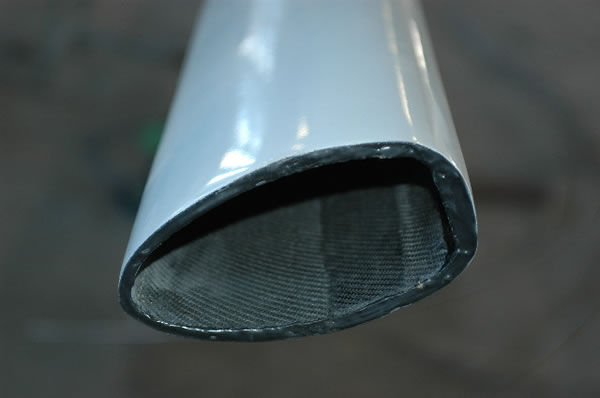
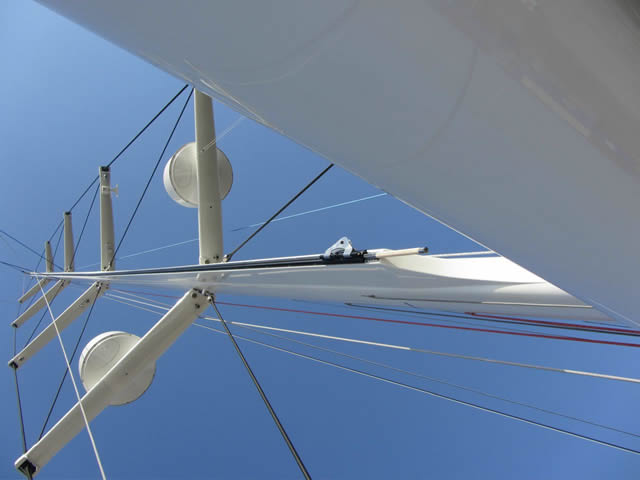


Carbon Mast Retrofit Gallery